
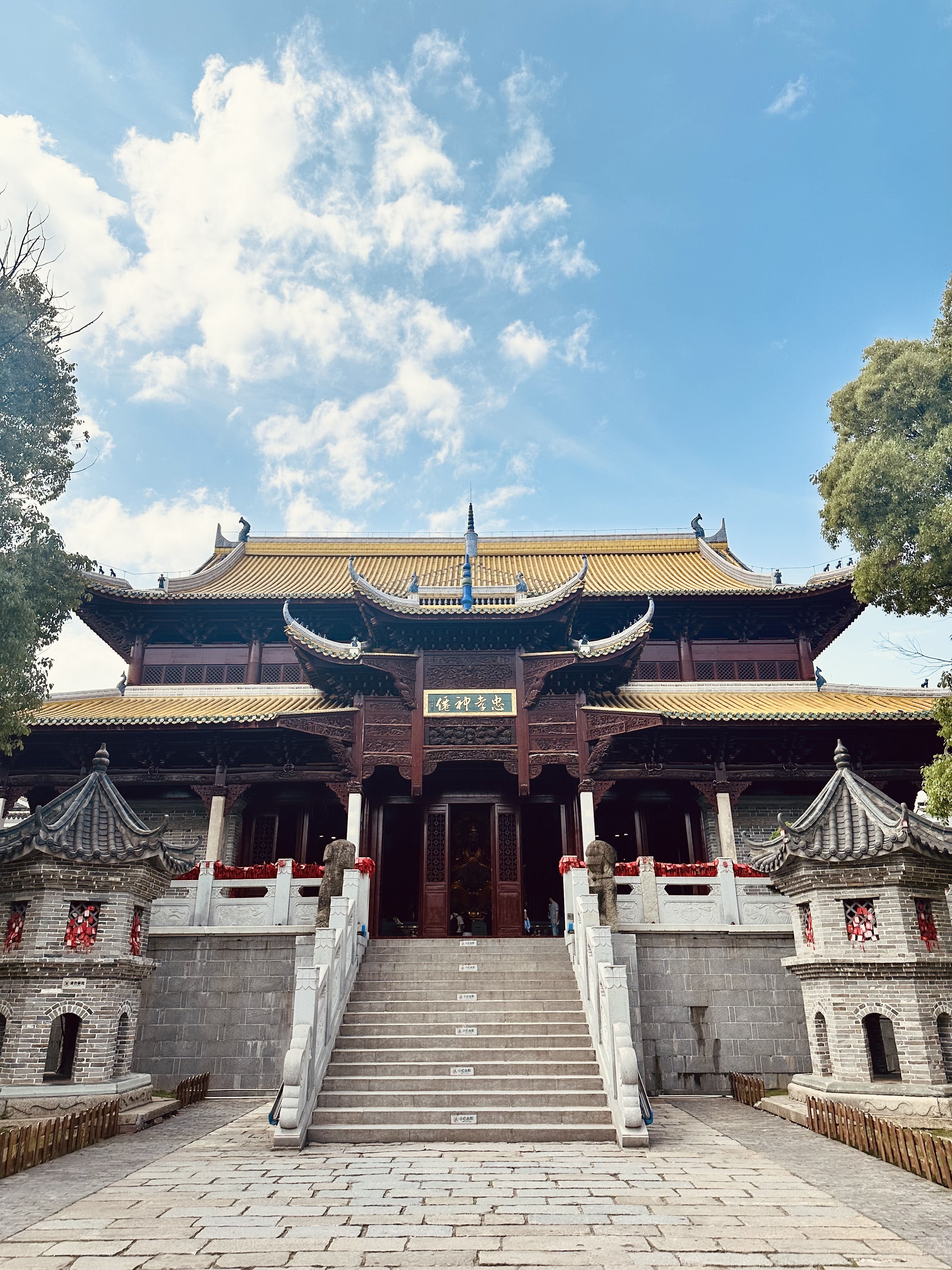

起源與發展 Origin and Development
道教是中國本土的一種多神教宗教,主要信仰「道」為宇宙萬物的本原,追求長生不死、得道成仙以及濟世救人。它在中國傳統文化中占有重要地位,並在現代世界持續發展。Taoism is a polytheistic religion indigenous to China. It centers on the belief in the Dao as the fundamental origin of all things in the universe. Taoists seek immortality, spiritual transcendence, and the ability to help others. Taoism holds a significant place in traditional Chinese culture and continues to evolve and thrive in the modern world.
道教起源於漢朝中後期,融合了戰國時期道家哲學、黃老道思想、方仙道及民間的天神信仰等元素。東漢末年,張道陵在今四川益州創立了天師道(又稱正一道),將老子尊為太上老君,建立了道教的教團和組織體系。此後,道教逐漸完善宗教形式,至唐代更受皇室尊崇,老子被尊為唐朝先祖。Taoism originated in the mid to late Han dynasty, emerging through the integration of various elements such as the Daoist philosophy of the Warring States period, the Huang-Lao school of thought, the practices of Fangxian Dao (ways of seeking immortality), and folk beliefs in celestial deities. In the late Eastern Han period, Zhang Daoling founded the Way of the Celestial Masters (also known as Zhengyi Dao) in present-day Yizhou, Sichuan. He revered Laozi as the Grand Supreme Elder Lord (Taishang Laojun) and established a formal religious organization and clergy structure for Taoism. Thereafter, Taoism gradually refined its religious system. By the Tang dynasty, it had gained significant imperial patronage, with Laozi being honored as the ancestral founder of the Tang imperial family.
教義核心 Core Doctrines
道教以《道德經》等經典為根本,強調「道」是宇宙的本原和主宰,「德」是「道」的體現。其神學體系中,三清(玉清元始天尊、上清靈寶天尊、太清道德天尊)是「道」的人格化顯現,代表宇宙生成的三個階段。通過修煉,人可以達到與「道」合一的境界,成為仙人或天尊。Taoism regards the Tao Te Ching and other classical texts as its foundational scriptures. It emphasizes that the Dao (the Way) is the origin and ultimate principle of the universe, while De (virtue) is the manifestation of the Dao in the world. Within its theological system, the Three Pure Ones—Yuqing Yuanshi Tianzun (The Celestial Venerable of Primordial Beginning), Shangqing Lingbao Tianzun (The Celestial Venerable of Numinous Treasure), and Taiqing Daode Tianzun (The Celestial Venerable of the Dao and its Virtue, also identified with Laozi)—are considered personalized manifestations of the Dao, representing three cosmic stages of creation and transformation. Through cultivation and spiritual practice, Taoists believe that individuals can achieve union with the Dao, ultimately attaining the state of an immortal (xian) or even a celestial being (tianzun).
修煉與實踐 Cultivation and Practice
道教講究「無為而治」、「人天合一」等理念,注重修身養性和長生不老。修煉方法包括煉丹服藥、煉氣導引、內丹修煉、胎息、符咒法術及行善積德等。這些方法旨在通過修煉達到得道成仙的目的。Taoism emphasizes principles such as “governing by non-action” (wuwei) and the unity of humanity and nature (heaven and man in harmony). It places great importance on self-cultivation, nourishing the spirit, and the pursuit of longevity and immortality.
Taoist cultivation methods include:
- Alchemy and ingestion of elixirs
- Breath control and energy circulation (daoyin and qigong)
- Internal alchemy (neidan)
- Embryonic breathing (taixi)
- Incantations, talismans, and ritual magic
- Accumulation of virtue through good deeds
These practices are intended to help practitioners attain harmony with the Dao and ultimately achieve spiritual transcendence or immortality.
教派與流派 Sects and Schools
道教內部派別眾多,主要有正一道(天師道)、全真道、靈寶道、淨明道、清微道等。現代道教主要分為符錄派、丹鼎派、積善派、經典派和占驗派,分別側重於符咒祈福、內丹修煉、行善積德、經典研究及命理占卜等方面。總結來說,道教是以「道」為最高信仰,融合哲學、宗教、煉丹、養生及民間信仰的中國傳統宗教,強調修煉長生和濟世救人,在中國文化中佔據重要地位。Taoism encompasses a wide range of internal sects and lineages. The most prominent among them include the Orthodox Unity (Zhengyi, also known as Tianshi Dao), Complete Perfection (Quanzhen), Lingbao, Jingming, and Qingwei traditions.
In modern times, Taoist practices are generally categorized into five major branches based on their emphasis:
- Fulu Sect (符錄派) – focuses on talismans, incantations, and rituals for blessings and protection
- Danding Sect (丹鼎派) – emphasizes internal alchemy (neidan) and cultivation for spiritual immortality
- Jishan Sect (積善派) – stresses moral cultivation, virtue, and the accumulation of good deeds
- Jingdian Sect (經典派) – centers on the study and recitation of Taoist scriptures and texts
- Zhanyan Sect (占驗派) – specializes in divination, astrology, and metaphysical prediction
In summary, Taoism is a traditional Chinese religion that holds the Dao (the Way) as the highest principle of belief. It integrates philosophy, religious rituals, alchemy, health cultivation, and folk beliefs, aiming for spiritual refinement, longevity, and the salvation of the world. It holds a deeply rooted and influential position within Chinese cultural heritage.
「天地所以能長且久者,以其不自生,故能長生。」